


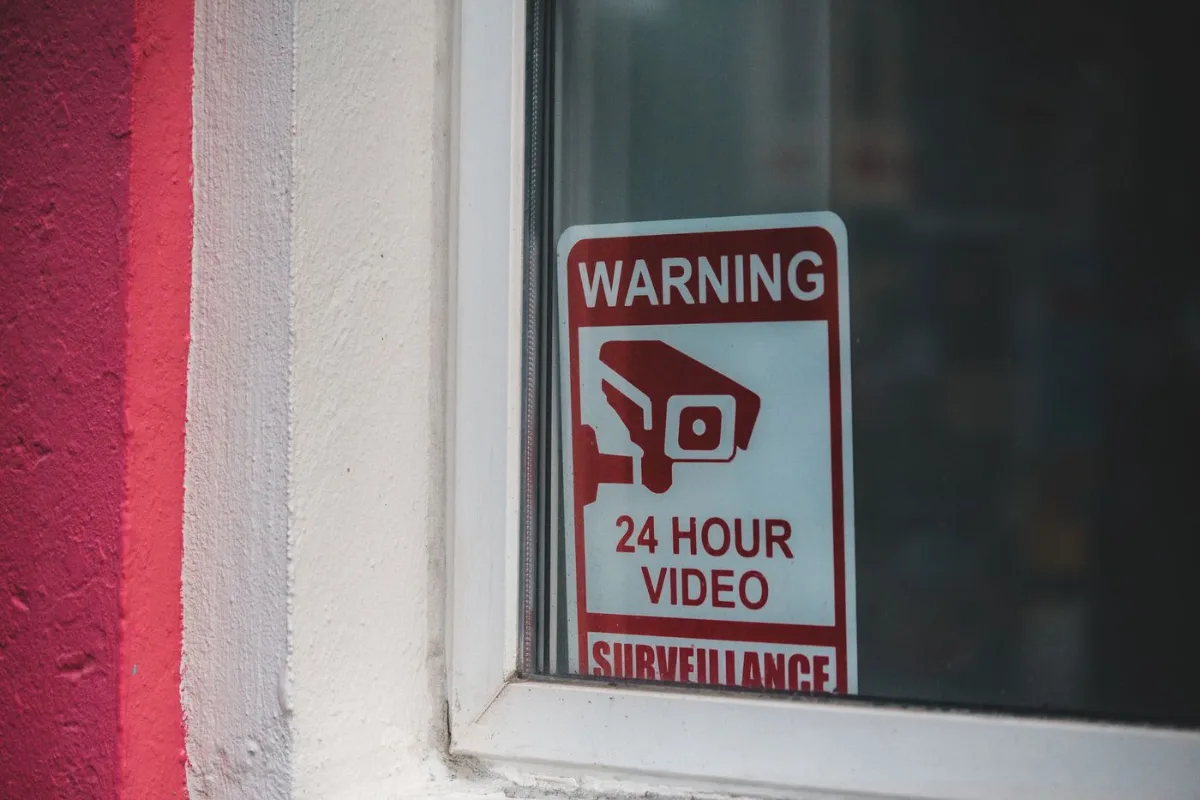
Surveillance evidence can become an issue in personal injury claims when an insurance company wants to test the claimant’s reported injuries, limitations, or credibility. It may include video surveillance, photos, social media activity, or footage gathered by private investigators.
At DWA Law, our personal injury lawyers help clients understand how insurance companies use surveillance, what legal boundaries investigators must follow, and why the full context of an injury matters. A brief, isolated video clip rarely reflects the daily reality of a chronic injury. Building a successful case relies on establishing consistency through comprehensive medical records, expert assessments, and a clear presentation of how the accident has impacted the client’s life.
What Is Surveillance Evidence Personal Injury Claims?
Surveillance evidence is information gathered to observe a person’s activities after they have filed a claim. In personal injury cases, this may include physical surveillance in public spaces, video recording, photos, online posts, or content from social media platforms. Insurance companies sometimes hire private investigators to conduct surveillance. Defence lawyers may then try to use the footage to argue that the reported injuries are not consistent with certain activities shown on camera.

For example, a person involved in a car accident may report chronic pain, reduced mobility, or difficulty with daily tasks. If surveillance footage shows that person walking, lifting groceries, or attending an event, defence counsel may argue that the video evidence weakens the claim. That argument is not always fair or complete. A person may complete an activity for a short period and still experience pain, fatigue, or a setback afterward. Surveillance needs to be reviewed alongside medical records, treatment history, testimony, and the overall recovery picture. Our personal injury lawyers can review the evidence and explain the legal issues involved.
How Insurance Surveillance Can Affect a Claim
Insurance surveillance may be raised during settlement negotiations, mediation, examinations, or trial. Defence counsel may rely on surveillance footage to challenge credibility, question reported limitations, or support an argument about the value of the claim. Surveillance can also create pressure during the litigation process. A video clip may appear straightforward at first glance, especially if it shows a person performing an activity that seems inconsistent with their evidence. The concern is that a brief recording can be given more weight than it deserves.
Our role is to slow that down and examine what the footage actually proves. We look at when it was taken, how long the activity lasted, what happened before and after, and how the footage compares with the medical evidence. We also consider the limitations of the recording itself, including what it does not show.
Surveillance evidence is subject to legal scrutiny. Disclosure rules, relevance, fairness, privacy laws, and the way the evidence was gathered may all matter. A recording used by the defence still has to meet the rules that apply in the legal process. We also assist clients with personal injury Guelph matters where surveillance, insurance evidence, or credibility concerns arise during a claim.
Practical Steps If Surveillance Is Involved
The best response to surveillance is honesty and consistency. Clients should describe their injuries accurately, follow medical advice, keep appointments, and avoid exaggeration. That applies to conversations with doctors, insurers, legal professionals, and the court.
Social media accounts also matter. Photos, captions, comments, and shared posts can be taken out of context. We encourage clients to be careful about what they share online while a claim is active. Privacy settings may help, but they do not guarantee that posts will stay out of a legal dispute.
Surveillance footage does not automatically decide the outcome. It must be reviewed carefully. The court may consider privacy laws, disclosure rules, relevance, fairness, and the way the evidence was gathered. A strong legal team can identify limitations in the footage and explain the full picture.
Frequently Asked Questions About Surveillance Evidence
Speak With DWA Law About Surveillance in Personal Injury Claims
Surveillance evidence can feel invasive, a valid claim still deserves a full review based on the complete file. At DWA Law, we help clients understand what the evidence means, how it may be used, and how to respond with clarity.
If surveillance evidence has become an issue in your personal injury claim, DWA Law can review the footage, medical records, and the defence position. Contact us today for a free consultation so you can understand your position before deciding what comes next.